How fast can you get restrooms out after a disaster?
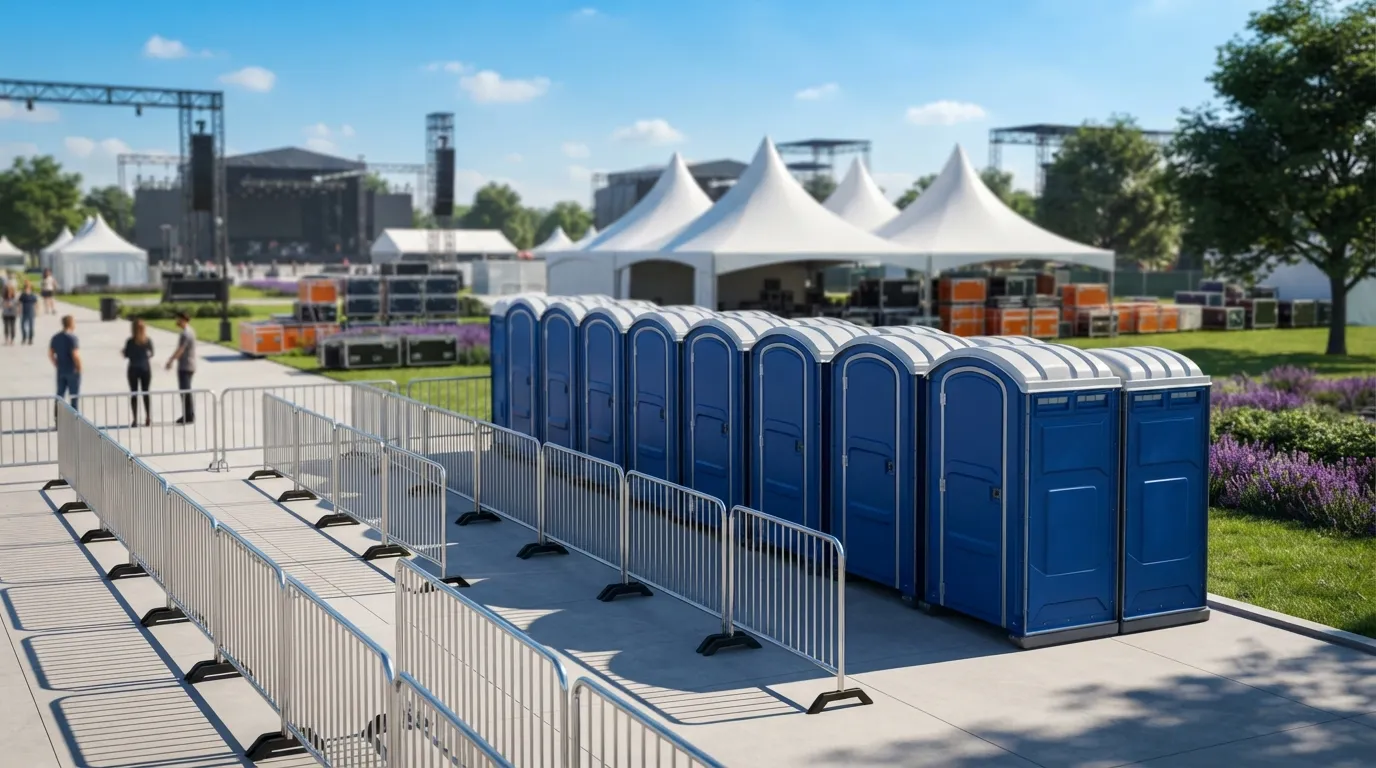
Speed depends on road access and how many units the event needs, but Bellingham Porta Pros keeps standard inventory ready for emergency porta potty rental dispatch rather than waiting on a full delivery queue. A single standard unit runs 44 by 48 inches on the ground and stands about 92 inches tall, so it fits driveways, church lots and gravel shoulders without much site prep. For multi-building response, like a shelter set up near Bellingham with an overflow site 3.8 miles east in Geneva, we route trucks to both locations in the same run rather than treating them as separate jobs. If crews need water for cleanup instead of drinking, OSHA 1926.51(a)(1) still requires an adequate supply of potable water at any staffed site, disaster or not. Storm response often means unstable ground, so portable restroom rental placement follows the same footing rules as a normal jobsite: firm, level, and clear of drainage paths. When power is out citywide, handwashing station rental units matter as much as toilets, since sinks and running water may be offline for days. We also stage portable sink rental units at shelter entrances so people can wash before meals are served, which shelters often require even when it is not a regulatory mandate.
What sanitation options fit a shelter or command post?
Not every emergency site needs the same setup. A neighborhood shelter with 40 people has different needs than a command post running around the clock with staff sleeping on-site. For shelters, standard units paired with a handwashing station rental cluster near the entrance keep lines short and traffic away from sleeping areas. ADA Standards section 213.2 requires that where single-user units are clustered, at least 5 percent must be accessible, with a minimum of one unit regardless of cluster size, so any shelter deployment needs at least one ADA accessible porta potty even for small headcounts. Command posts running multi-day operations often ask about a restroom trailer rental instead, since trailers hold up better to constant use and don't require the same servicing frequency as standard units. If the response involves an agency housing crews in RVs or campers, a holding tank rental can keep gray and black water contained without relying on a septic hookup that may not exist at a temporary site. For larger regional staging, a 4 stall restroom trailer or 8 stall restroom trailer covers more people per unit and cuts down on the number of trucks circling for service. Wind and debris cleanup crews working alongside displaced residents should also plan for a roll-off dumpster rental since storm debris volume adds up fast and most residential trash service can't absorb it.
Do disaster sites still need to follow normal placement and permit rules?
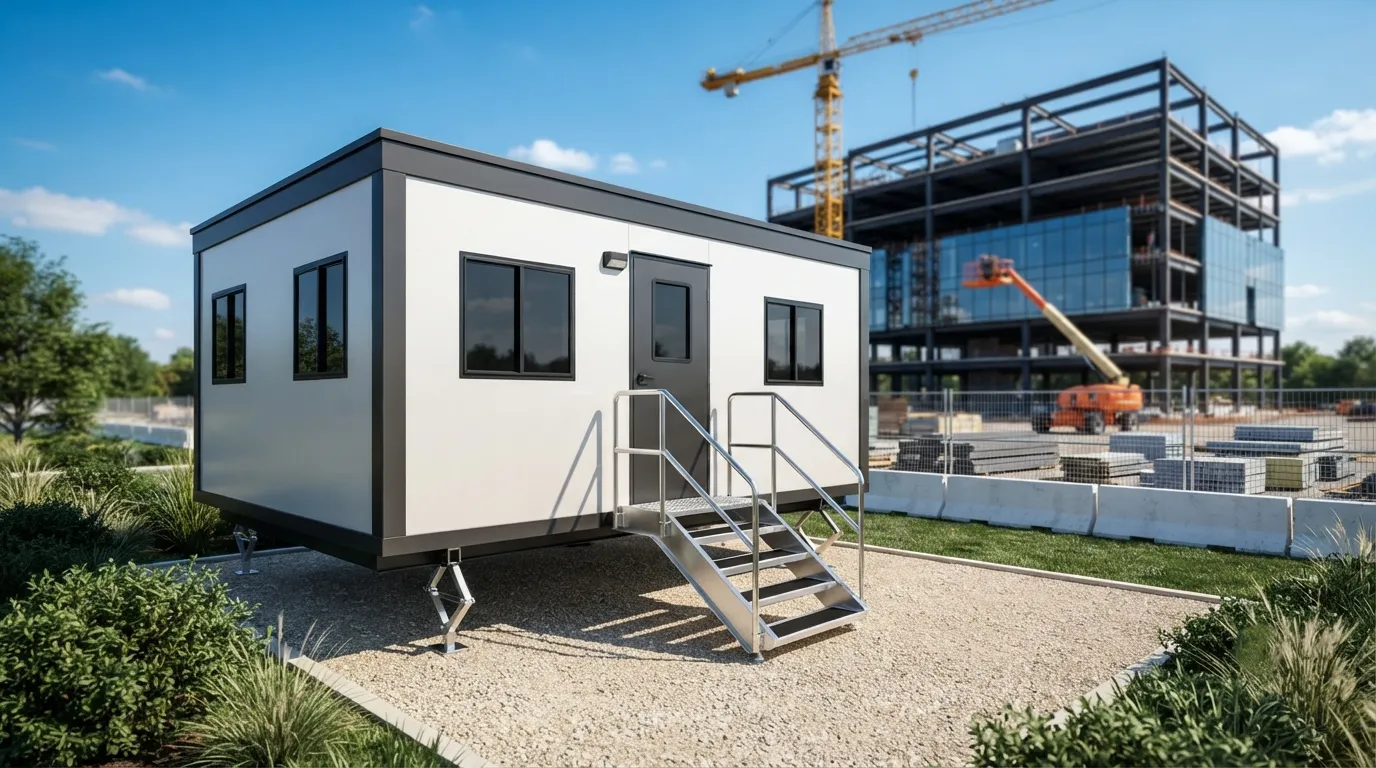
Yes, mostly. Emergency status doesn't erase every requirement, though enforcement priorities shift when a city is in active response mode. OSHA 1926.51(c) still governs toilet counts for any organized workforce on-site, meaning 1 toilet for 20 workers or fewer, scaling up from there. If cleanup crews are power washing storm debris or applying coatings during repair work, OSHA 1926.51(f)(1) requires washing facilities for that paint, coating or contaminant exposure specifically, not general hand cleaning. Placement in the public right of way during an active disaster response still needs confirming with the City of Bellingham, since normal rules may be adjusted temporarily but aren't automatically waived. We coordinate directly with whoever is managing the response, whether that's a city department or a relief organization, to figure out where units can legally sit. For sites needing perimeter control around a damaged structure or debris pile, temporary fence rental keeps people out of hazard zones, and crowd control barrier rental works for shelters managing intake lines. If flooding has taken out a residential septic system entirely, emergency septic service can pump what's backing up while the property waits on repairs, and septic tank warning signs is worth a look for anyone unsure if their system failed from the storm or was already due. Longer response windows sometimes call for a mobile office trailer rental to give coordinators a dry place to work, and a storage container rental to secure donated supplies overnight.
How many units does a shelter need?
It depends on headcount, but a rough guide is one standard unit per 40 people under OSHA's construction ratio, applied loosely to shelter planning. Use how many porta potties do i need to run the numbers, and always round up.
Can you deliver during active flooding or road closures?
We'll get as close as conditions allow, but a roll-off or trailer delivery needs about 60 feet of straight clearance behind the truck. If roads into Bellingham are closed, we reroute through open access points and prioritize shelters first.
What does emergency service cost compared to a standard rental?
Emergency and short-notice pricing runs at the higher end of standard bands rather than a separate emergency rate. Check porta potty rental cost for the full breakdown by duration.
Do shelters need ADA units even for small groups?
Yes. ADA Standards section 213.2 requires at least one accessible unit in any cluster, no matter how few units total. See ada restroom requirements for the full standard.
What happens to debris from storm cleanup?
Most residential haulers can't handle storm volume, so a roll-off is the practical answer. Check what cannot go in a dumpster before loading, since some storm debris, like certain treated materials, has restrictions.
Next step
Get a delivery date
Tell us the address, the dates and the headcount. We size the order and confirm the route.