
How do porta potties work?
Under the seat sits a holding tank, usually 60 to 70 gallons on a standard unit, sized about 44 by 48 inches on the ground and roughly 92 inches tall. There's no water flush. Waste drops straight into the tank, where a blue chemical treats it, breaks down solids, and knocks back odor until the next service. A vent stack pulls smells up and out rather than back into the stall. Toilet paper hangs inside, hand sanitizer is often mounted near the door, and a occupied/vacant slide lock sits on the latch. For a construction worker running to a porta potty between tasks, the whole interaction takes under a minute: open, use, latch, done. Bellingham Porta Pros services units on a schedule that matches site traffic, and OSHA 1926.51(c) sets the ratio worksites need to follow, generally one toilet for crews of 20 or fewer. If you're not sure how many units a job needs, the porta potty placement guide and the how many porta potties do I need page both walk through it. Renting for a weekend event in Bellingham runs differently than a month-long job site, so check porta potty rental cost before you commit to a size.
How do flushable porta potties work?
A deluxe flushable unit uses a small onboard freshwater tank and a foot pump or hand pump to push a rinse of water through the bowl after use, instead of relying only on the holding tank below. Waste still collects in a tank underneath, just like a standard unit, but the flush cuts residue and smell noticeably between services. These units often include a sink with its own small reservoir, so guests get a real hand-wash instead of just sanitizer. They're a common upgrade for weddings and office job sites in Bellingham where guests or clients will notice the difference. An ADA accessible porta potty can be ordered as a flushable model too, and ADA Standards section 304.3.1 requires a 60 inch turning circle inside those larger units, with section 404.2.3 setting a 32 inch minimum door opening. For events that need both comfort and compliance, pairing a flushable standard run with one accessible unit is common practice, and ADA Standards section 213.2 says at least 5 percent of a cluster of single-user units must be accessible, never fewer than one.
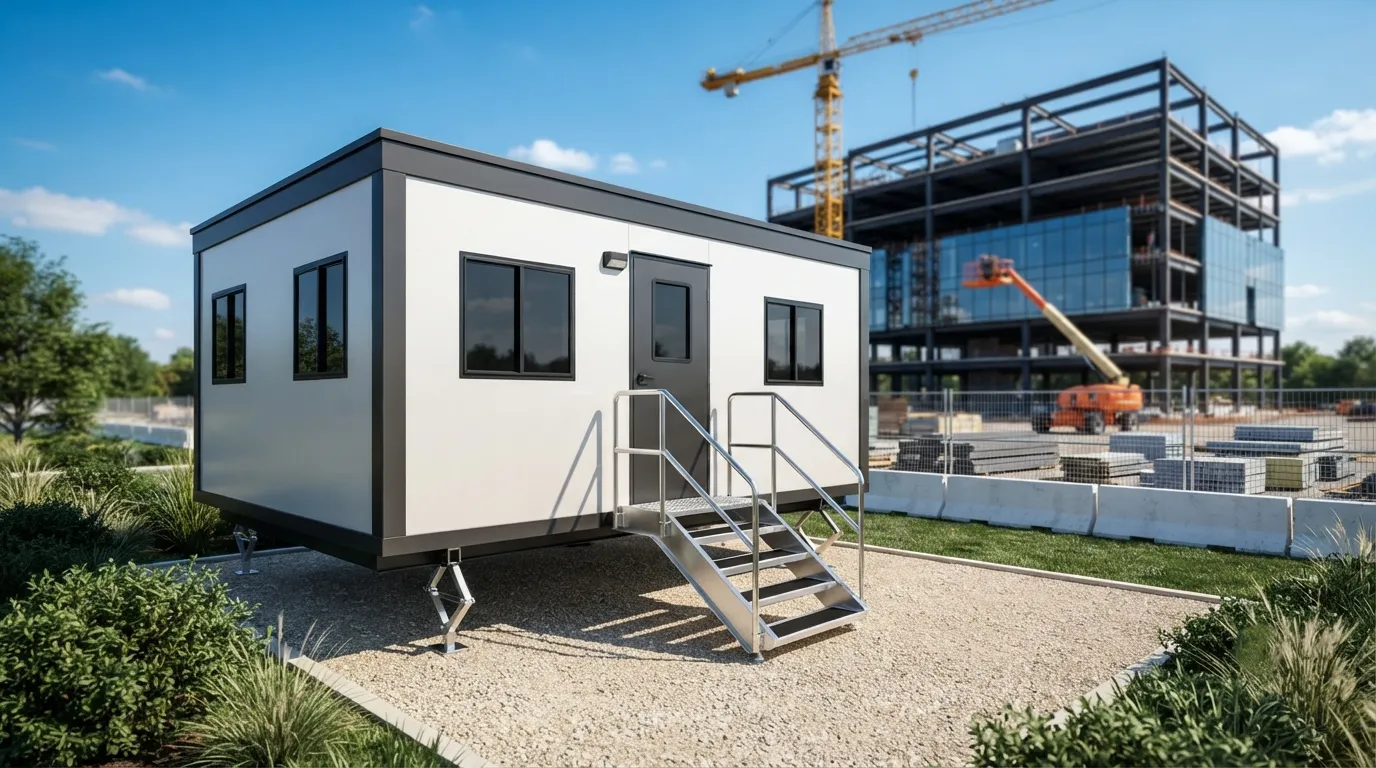
How does a portable sink work?
A portable sink rental or handwashing station works off a self-contained fresh water tank, usually gravity-fed or foot-pump operated, that pushes water through a spigot into a basin, with a separate gray water tank underneath catching the runoff. No hose bib, no drain line. Soap sits in a dispenser mounted to the unit, and 29 CFR 1910.141(d)(2) requires that washing facilities include soap and a way to dry hands, since hand sanitizer alone doesn't satisfy that standard. On food-related sites or where crews are applying paints, coatings, herbicides or insecticides, OSHA 1926.51(f)(1) specifically requires washing facilities for that contaminant exposure. Farms and agricultural operations near Bellingham fall under a related standard, OSHA 1928.110, which calls for one handwashing and toilet facility per 20 hand-labor employees within a quarter mile walk. If your crew is spraying or coating outdoors, pair a handwashing station rental with your temporary fence rental job to keep the site compliant and orderly.
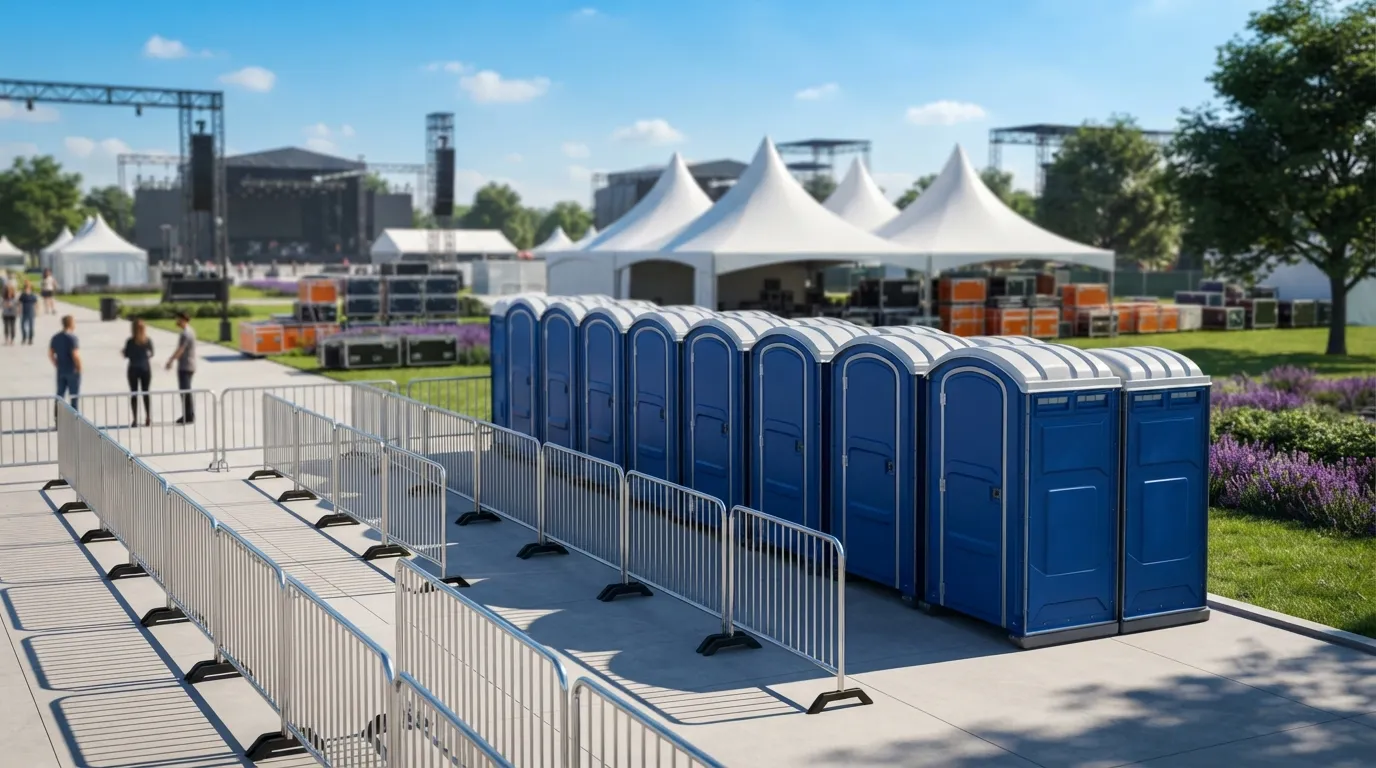
How do camping porta potties work?
Camping and small event units work the same way as a job site unit, just often smaller or self-contained with a built-in tank you empty yourself using a treatment chemical designed for slow breakdown over a multi-day trip. Rental units from Bellingham Porta Pros for camping or festival restroom rental use the same 60 to 70 gallon tank and blue chemical system as a construction unit, sized for the expected headcount rather than a fixed daily service schedule. For weekend camping trips or short events, a porta potty rental per day rate usually makes more sense than a weekly one. Longer festival bookings or county fair restrooms jobs typically move to a weekly or monthly rate instead. Here's how the standard unit pricing breaks down by duration:
| duration | typical price |
|---|---|
| day | $150 |
| week | $200 |
| month | $200 |
| weekend | $250 |
Units delivered to sites near Geneva, 3.8 miles east of Bellingham, or Marietta-Alderwood, 7.2 miles northwest, run on the same service schedule as in-city jobs. Service techs follow ANSI/PSAI Z4.3, the baseline industry interval of one visit per week for up to 10 users over a 40 hour week, though busier sites get serviced more often.
What chemical is used in porta potty tanks?
The blue liquid you see is a deodorizing and digestion treatment that breaks down waste and masks odor between pump-outs. It's not the same product used in septic tanks. For actual septic tank cleaning chemicals and pumping schedules, see the septic pumping service page instead.
How often do porta potties get serviced?
Most job sites in Bellingham get weekly service, matching the ANSI/PSAI Z4.3 baseline for up to 10 users. High-traffic events often need daily service. Check how often are porta potties cleaned for details on what a service visit includes.
Do porta potties need a water hookup?
No. Standard units are fully self-contained, using the internal chemical tank instead of plumbing. Flushable and deluxe models add a small onboard freshwater reservoir for rinsing, but neither type needs a hose bib or sewer connection on site.
Can I rent a porta potty for just one day?
Yes. Daily rentals run $100 to $350 for a standard unit depending on delivery distance and duration. See porta potty rental per day for the full breakdown before booking a short job or single-day event.
How is a porta potty different from a septic tank?
A porta potty is a small sealed unit serviced on-site by a truck. A septic tank is a buried, permanent system typically pumped every 3 to 5 years. Ongoing sanitation needs a rented unit; a home system needs septic tank pumping cost info instead.
Next step
Get a delivery date
Tell us the address, the dates and the headcount. We size the order and confirm the route.