
What does OSHA require for portable toilets on a job site?
The rule is 1926.51(c)(1), and it scales with headcount. Twenty workers or fewer needs just one unit. Climb past that and you owe 1 toilet seat plus 1 urinal per 40 workers, dropping to 1 per 50 once you cross 200 people on site. OSHA also requires potable water under 1926.51(a)(1), which matters on remote sites outside Bellingham where a hose bib isn't an option. None of this addresses handwashing directly. That's a separate standard, and crews mixing up the two often end up under-equipped, whether they searched osha portable toilet distance requirements or just typed portable toilet rental oshawa by mistake looking for their own city's rules. If your crew is painting, coating, or spraying herbicide or insecticide, 1926.51(f)(1) kicks in and requires washing facilities for those specific contaminant exposures. It is not a general handwashing rule, so don't lean on it for a typical framing crew. Bellingham Porta Pros pairs standard porta potty rental units with handwashing station rental service so both boxes get checked without guessing. If you're unsure how many units your headcount actually requires, the how many porta potties do I need guide walks the math step by step, and our full OSHA portable toilet requirements breakdown covers edge cases like multi-shift crews.
How many porta potties do I need osha wise for my crew size?
Run the headcount against 1926.51(c)(1) first, then round up. A 15-person framing crew needs one unit. A 45-person crew needs two toilet seats and two urinals under the 40-person tier. Once a site tops 200 workers, the ratio eases to 1 per 50, but most Bellingham contractors never get there and end up sizing for the 20-to-199 bracket instead. Multi-trade sites often split units by zone rather than one bank near the trailer, which cuts walk time and matches how portable toilet rental crews plan larger jobs. If your project includes an office or inspection staff working indoor hours, general industry ratios under 1910.141(c)(1)(i) apply to them instead of the construction standard, since that's a separate rule for non-construction workplaces. Farm crews doing hand labor fall under 1928.110, which sets one facility per 20 workers within a quarter mile walk. That distance rule matters for spread-out sites near Geneva, 3.8 miles east of Bellingham, or Ferndale, 11.0 miles northwest, where units placed too far from the work area technically violate the standard even if the ratio is right. Check porta potty placement guide before you finalize a layout.
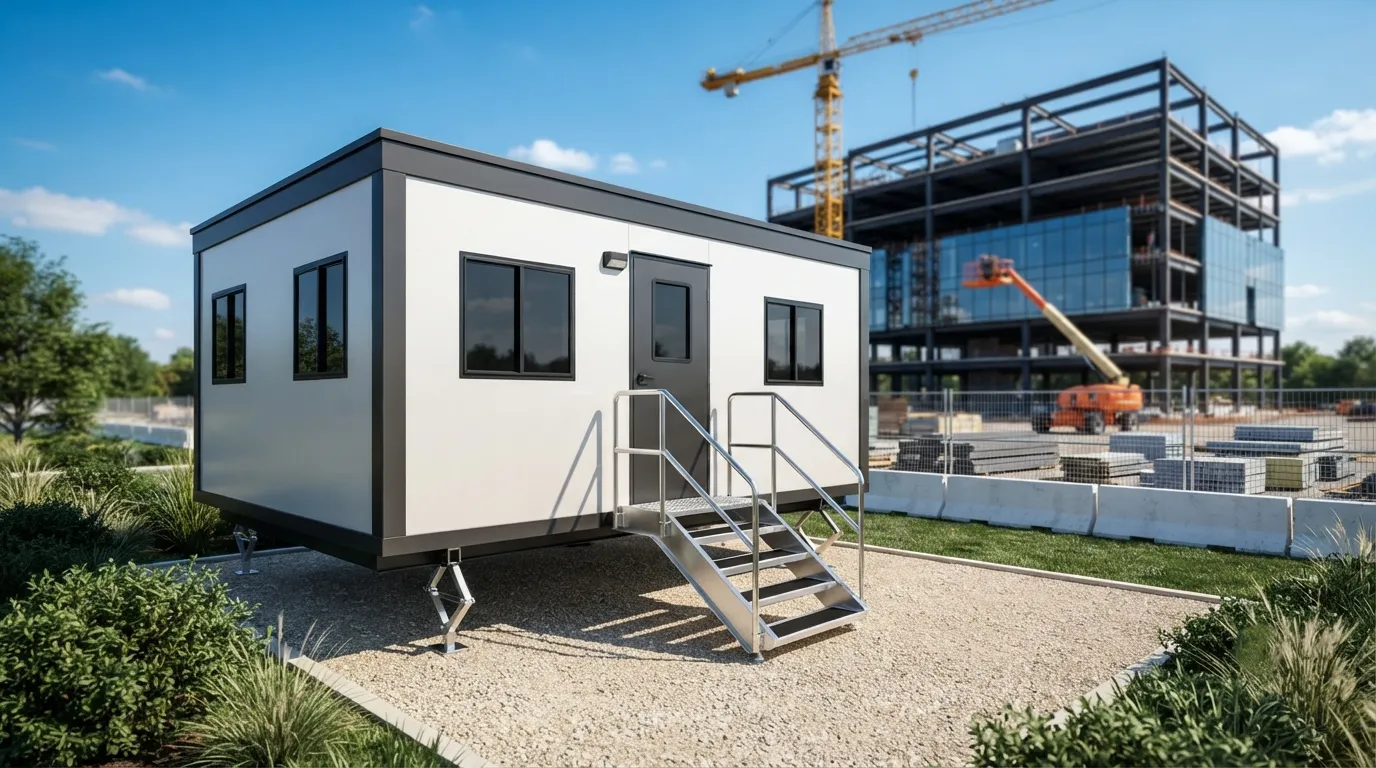
Does OSHA have a distance requirement for portable toilets?
Not a fixed footage number under 1926.51(c), but 1928.110's quarter-mile walk limit for agricultural sites is the closest thing to a hard distance rule in the fact set, and it exists because field crews can't be expected to hike far between rows. On general construction sites the practical standard is placement close enough that workers actually use them instead of skipping breaks. That's a judgment call your site super makes, not a number OSHA publishes for every job type. Housekeeping under 1926.25 requires clearing debris from work areas, and a toilet bank stuck behind a materials pile fails that spirit even if it's not cited for that reason directly. ADA placement has its own separate math: where portable units are clustered, ADA Standards 213.2 requires at least 5 percent of units be accessible, with never fewer than one, and 304.3.1 calls for a 60 inch turning circle at the unit. Bellingham Porta Pros stocks ADA accessible porta potty units for sites that need to hit that ratio. Ramp slope for approach paths falls under 405.2, capped at 1:12, which matters on sloped lots common around Bellingham job sites.
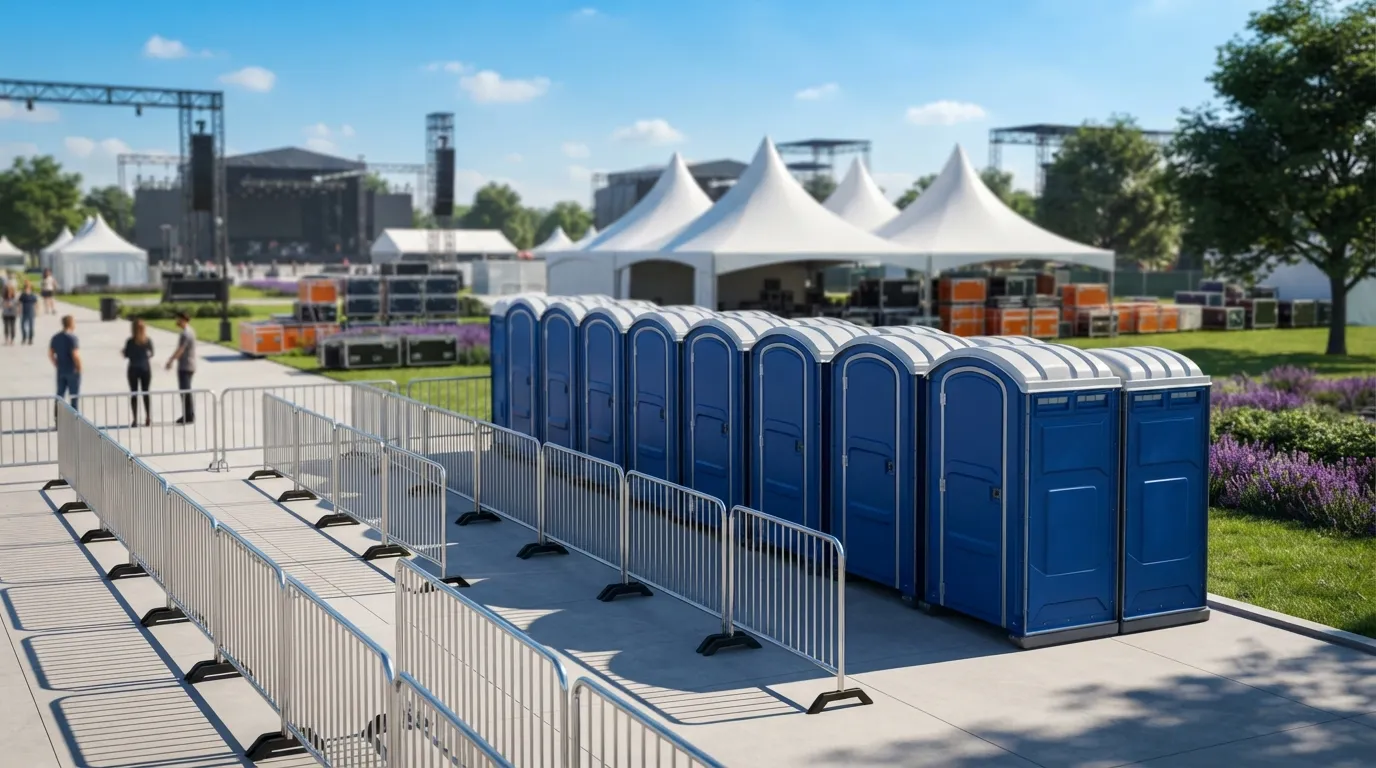
Are handwashing stations required alongside portable toilets?
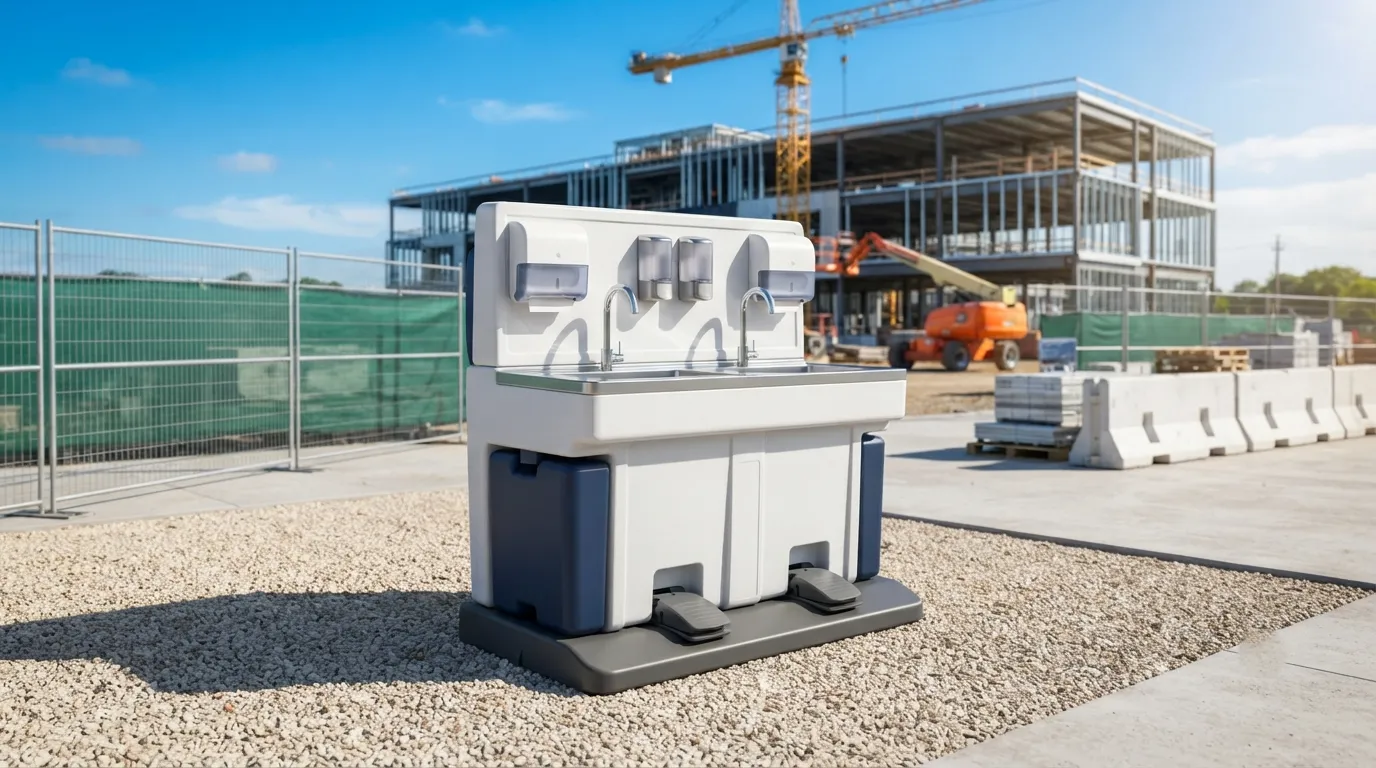
Yes, whenever paint, coating, herbicide or insecticide work is happening, per 1926.51(f)(1), and separately under 29 CFR 1910.141(d)(2), which requires soap and towels or a hand-drying device at wash stations. Hand sanitizer alone does not satisfy that standard, a detail crews miss constantly. A standard unit's 60 to 70 gallon holding tank has nothing to do with handwashing supply, so pairing a toilet with a dedicated wash station is the only way to cover both requirements. Bellingham Porta Pros delivers portable sink rental units alongside toilet banks for exactly this reason, and stocks hand sanitizer station rental as a supplement, not a substitute. For crews applying finishes or treatments anywhere from downtown Bellingham out toward Lynden, 16.3 miles north, or Mount Vernon, 28.9 miles south, this pairing keeps a site compliant instead of exposed to a citation. Full detail on both standards lives on handwashing requirements. Storage needs often come up on the same jobs, and a storage container rental can hold supplies right next to the wash station.
How many workers before I need a second porta potty?
Twenty is the line under 1926.51(c)(1). One unit covers up to 20 workers; cross that threshold and you owe additional toilet seats and urinals at the 1-per-40 ratio. Most Bellingham crews plan for growth and add a unit before hitting the limit exactly.
Do event sites follow the same OSHA ratio as construction?
OSHA's construction ratio applies to job sites, not public events. Event planning usually follows a different guest-count formula. Check event restroom rental for that math, since a wedding or festival crowd behaves differently than a fixed crew.
Can I use hand sanitizer instead of a handwashing station?
No. 29 CFR 1910.141(d)(2) requires soap and towels or a hand-drying device, and sanitizer doesn't meet that standard. Pair a portable sink rental with your toilets whenever the job calls for real handwashing.
What happens if my site doesn't meet the OSHA ratio?
You risk a citation during an inspection, and workers may skip breaks or walk off site to find a bathroom. Sizing correctly from day one, using how many porta potties do I need, is cheaper than a mid-project scramble.
Does farm work follow different sanitation rules?
Yes. 1928.110 covers hand-labor agricultural work, requiring one facility per 20 employees within a quarter mile walk. See farm and agricultural restrooms for how that applies to Whatcom County operations.
Next step
Get a delivery date
Tell us the address, the dates and the headcount. We size the order and confirm the route.